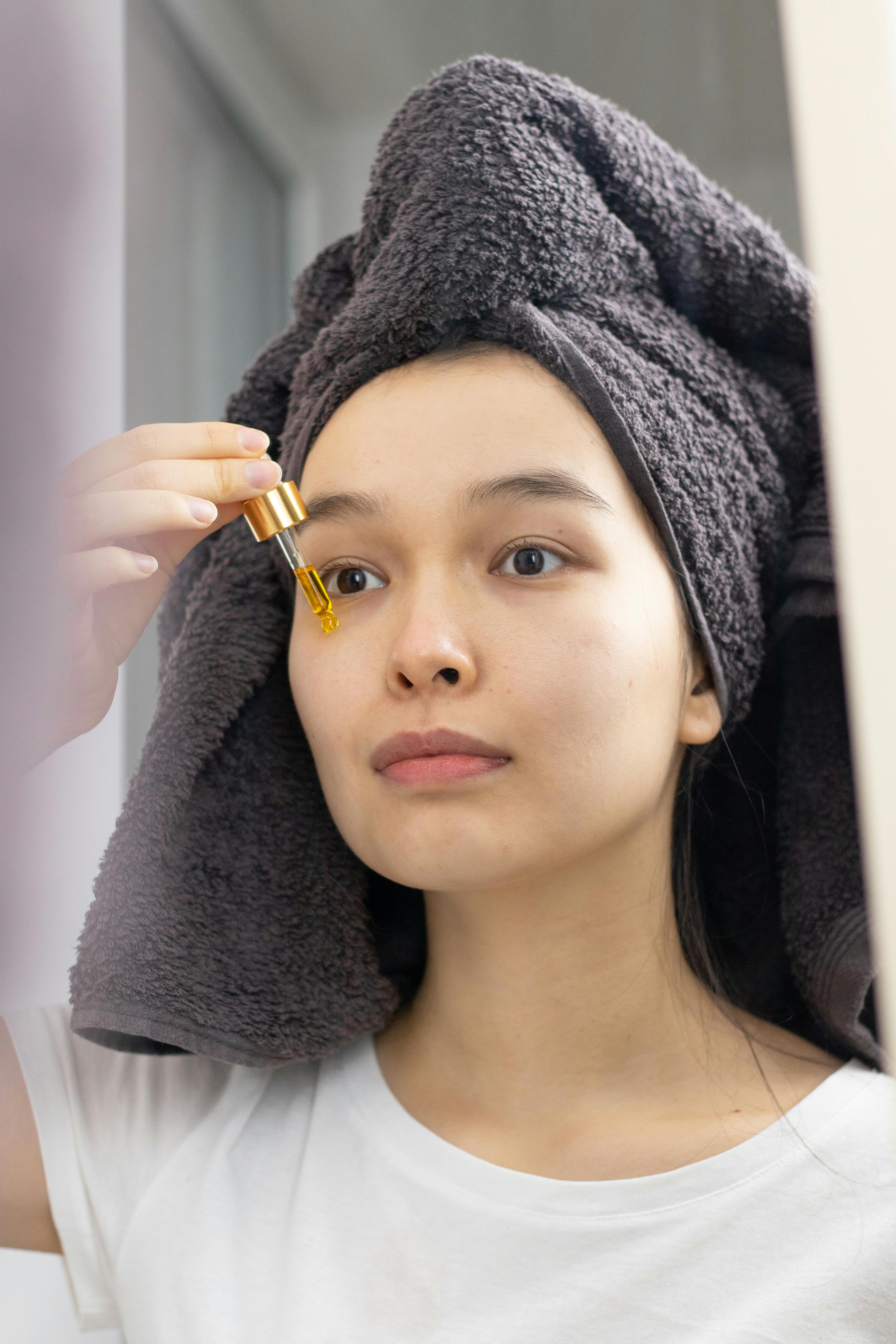
Korean dermatology approaches anti-aging not as a single intervention applied uniformly across adulthood, but as a decade-specific protocol calibrated to the biological changes occurring in skin at each stage. The actives that matter in the twenties differ meaningfully from those required in the forties. What follows is the clinical framework Korean dermatologists apply, organised by decade.
The twenties are the highest-leverage decade in skincare, not because visible problems are present but because the interventions applied now compound over the following two to three decades. Free radical accumulation and the earliest stages of glycation — the process by which sugar molecules cross-link collagen fibres, initiating structural stiffening — begin in the mid-twenties, well before any visible consequence appears.
Korean dermatologists identify two non-negotiable priorities for this decade: antioxidant provision and barrier reinforcement. Both are investments in future skin quality rather than responses to current concerns.
Vitamin C (L-ascorbic acid)
Primary antioxidant
Neutralises free radicals generated by UV and environmental exposure. Clinical evidence supports 10–20% concentration for optimal efficacy. The most evidence-backed antioxidant in topical skincare.
Ceramides + Cholesterol + Fatty Acids
Barrier lipid complex
The three components of the skin's natural lipid matrix. Together they form the intercellular "cement" that prevents trans-epidermal water loss and maintains barrier integrity.
Hyaluronic Acid (multi-weight)
Deep hydration
Functions as an intercellular humectant, binding water at multiple skin depths. The 20s are when establishing adequate hydration practice prevents the early dehydration lines that appear in the late twenties.
Panthenol (Vitamin B5)
Barrier support + soothing
Precursor to pantothenic acid; enhances barrier lipid synthesis and has well-documented anti-inflammatory activity. Reduces irritation from other actives, enabling earlier introduction of more potent ingredients.
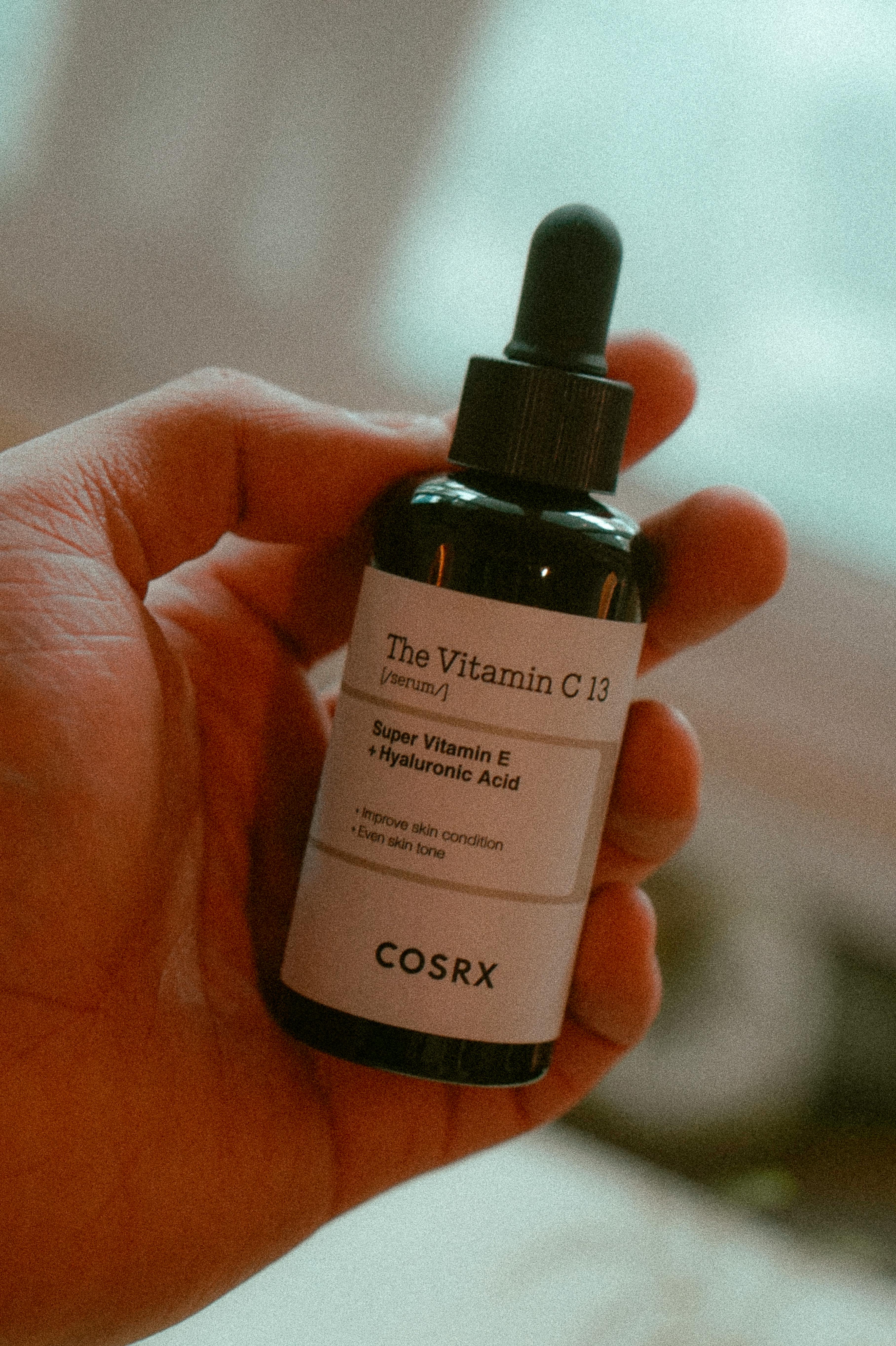
20s reference protocol
AM
Gentle pH-balanced cleanser → HA first essence → Panthenol serum → Ceramide moisturiser → SPF 50+ PA++++
PM
Oil cleanse + foam cleanse → HA first essence → Vitamin C serum (10–15%) → Panthenol serum → Ceramide moisturiser
The vitamin C application in the evening circumvents the photostability concern — L-ascorbic acid oxidises under UV exposure, reducing daytime efficacy. Applied at night, it performs without degradation while also supporting the skin's overnight cellular repair processes.
The thirties introduce three clinically significant changes: melanin begins accumulating visibly as hyperpigmentation, collagen synthesis decreases by approximately 1% per year from the mid-twenties onward producing the first static lines, and barrier function begins to show the earliest signs of age-related decline. Each requires a specific intervention.
Korean dermatologists identify the failure to manage pigmentation in the thirties as the primary cause of the pronounced hyperpigmentation that typically appears in the mid-forties. Melanin accumulates over years before it becomes visible — the management window is now, before the problem surfaces.
Tranexamic Acid
Melanin synthesis inhibitor
Blocks the signalling pathway that initiates melanin production at its source. One of the most effective brightening actives for established hyperpigmentation without the irritation risk of hydroquinone.
Niacinamide (5–10%)
Melanosome transfer inhibitor
Prevents melanin already produced from transferring to keratinocytes, reducing visible pigmentation. Works at a different stage than tranexamic acid, making them clinically complementary.
Retinol (0.1%+)
Cell turnover accelerator
Accelerates epidermal cell renewal and stimulates fibroblast collagen production. The most evidence-backed anti-aging active available without prescription. Begin at 0.1% and increase gradually.
EGF + PDRN
Barrier recovery factors
EGF activates epidermal growth receptors; PDRN (polynucleotide) supports collagen remodelling and barrier repair. Both address the declining cellular repair capacity that begins in this decade.
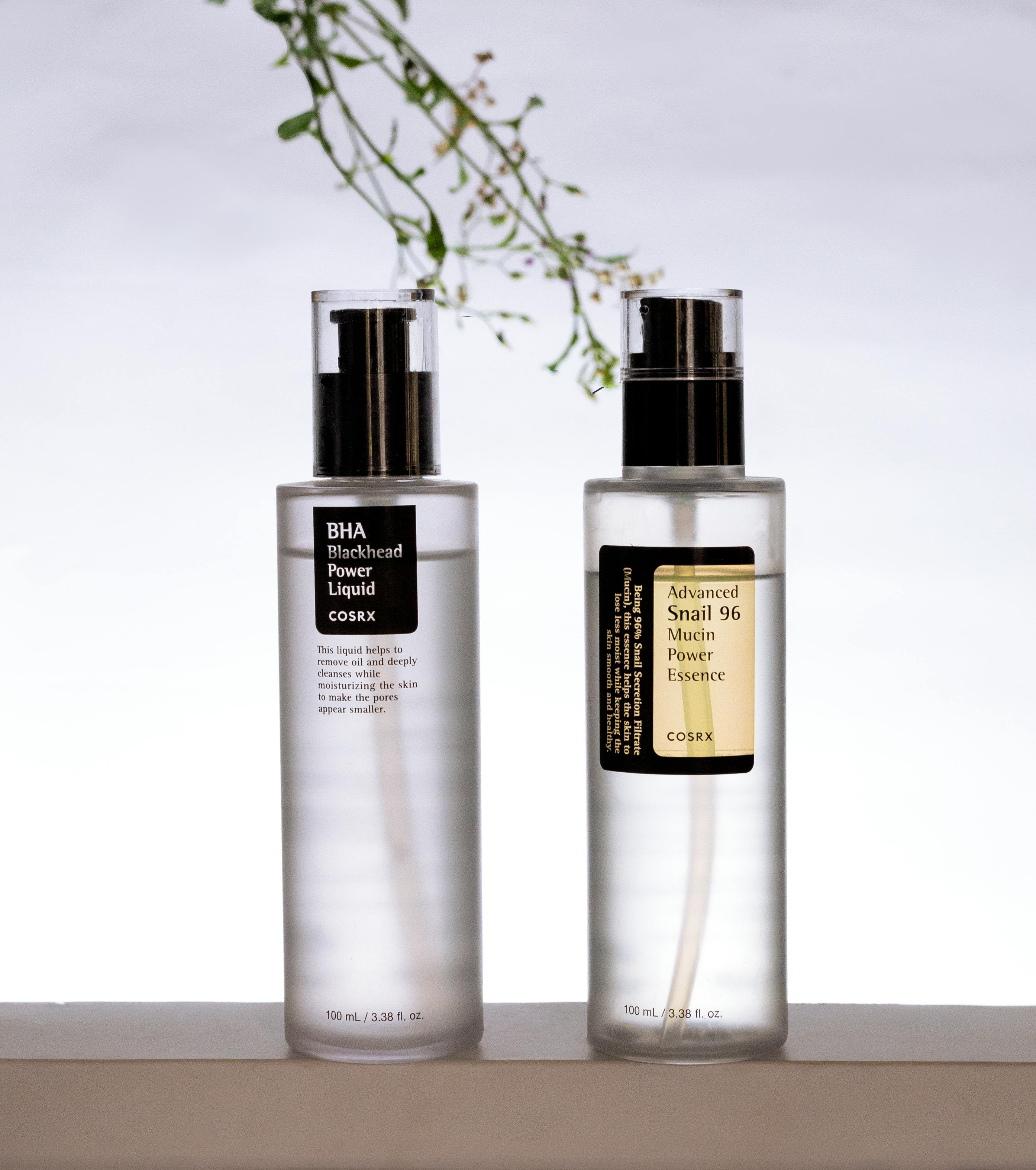
30s reference protocol
AM
Vitamin C serum → Hyperpigmentation serum (tranexamic acid + niacinamide) → Ceramide or PDRN moisturiser → SPF 50+ PA++++
PM
Double cleanse → Retinol serum (0.1–0.3%) → Panthenol serum → Anti-aging serum → Ceramide or anti-aging cream
After forty, the biological changes in skin become qualitative, not merely quantitative. Intracellular NAD⁺ levels — the coenzyme responsible for cellular energy metabolism and DNA repair — decline significantly, reducing the skin cell's capacity to perform the repair functions it executes during sleep. ATP production, which powers virtually every active cellular process, decreases in parallel. The result is skin that appears not just older but metabolically depleted: less responsive, slower to recover, lower in energy and luminosity.
Vitamin C becomes physiologically essential in this decade rather than merely beneficial. The transport mechanisms that move ascorbic acid from the bloodstream to the epidermis diminish with age, meaning topical supplementation compensates for a genuine systemic decline, not simply an optional enhancement.
Vitamin C (essential)
Antioxidant + collagen co-factor
After 40, endogenous vitamin C transport to the epidermis declines. Topical application becomes a genuine supplement rather than an enhancement. Collagen synthesis requires ascorbic acid as a co-factor — without it, new collagen cannot form correctly.
NAD⁺ precursors + ATP-support actives
Cellular energy restoration
Niacinamide is a precursor to NAD⁺. Products containing cellular energising complexes address the metabolic decline that causes skin to look depleted and low in vitality — not just wrinkled.
Collagen + Elastin peptides
Structural matrix support
Signal peptides (palmitoyl pentapeptide, copper tripeptide) instruct fibroblasts to produce collagen and elastin. At this decade, passive hydration is insufficient — active structural stimulation is required.
AGE-inhibiting actives
Glycation prevention
Advanced glycation end products (AGEs) cross-link collagen fibres, stiffening and yellowing the skin. Actives that inhibit the Maillard reaction in skin represent one of the most underappreciated interventions in mature skin care.
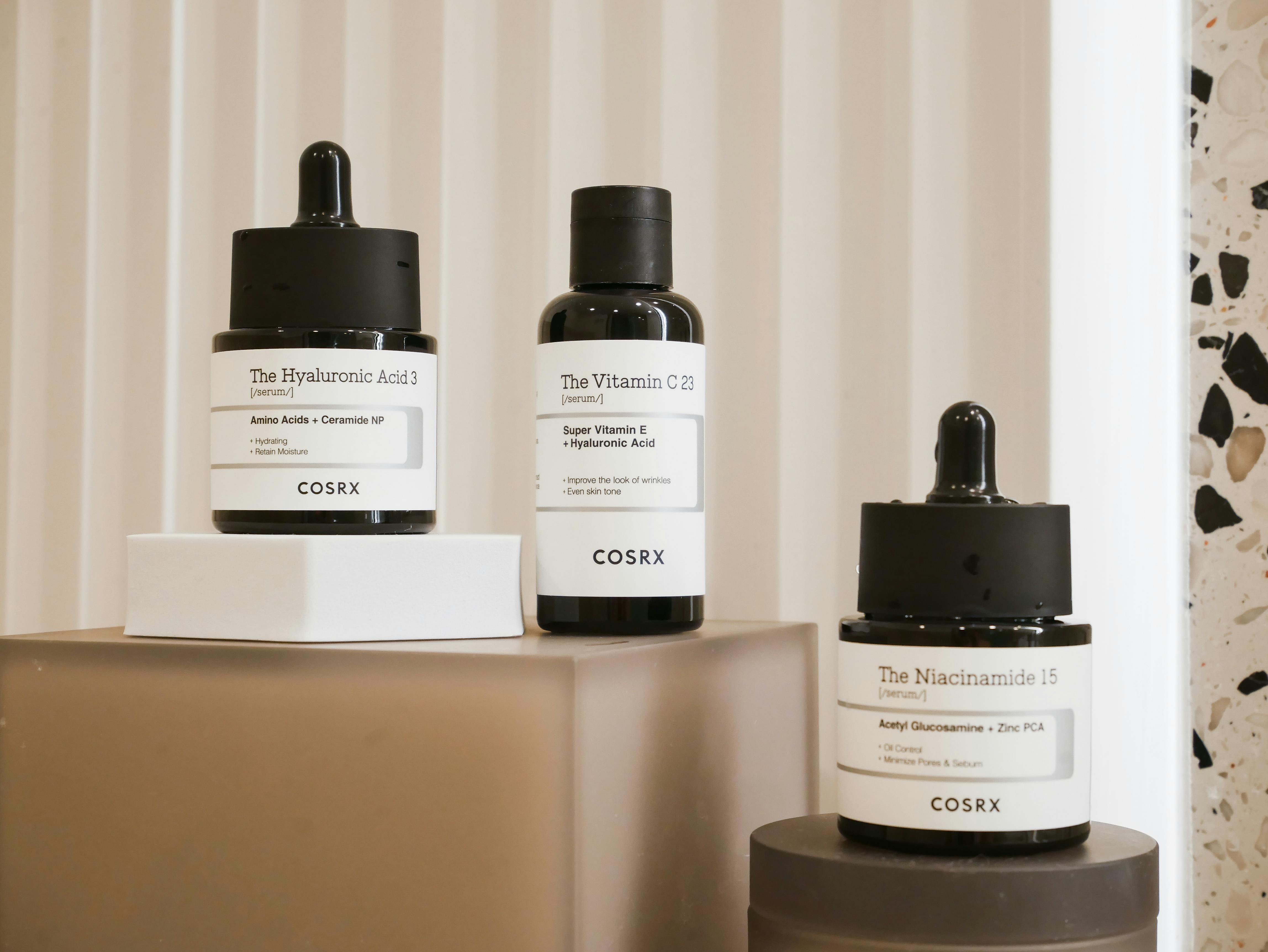
40s+ reference protocol — pigmentation focus
AM
Hyperpigmentation serum → Vitamin C serum → Anti-aging moisturiser → SPF 50+ PA++++
PM
Double cleanse → Hyperpigmentation serum → Retinol serum → Anti-aging serum (NAD⁺ support) → Anti-aging cream
40s+ reference protocol — barrier priority (start here if reactive)
Both
One month of barrier-only focus before introducing actives: HA first essence → Panthenol serum → Rich ceramide cream. This foundation enables functional products to perform correctly.
Decade summary
What each decade requires
20sVitamin C antioxidant defence + ceramide barrier investment + SPF daily
30sAdd tranexamic acid + niacinamide for pigmentation, retinol 0.1%+ for cell turnover
40s+Vitamin C becomes essential (not optional), add NAD⁺ support and structural peptides
AllSPF 50+ PA++++ every morning — the single intervention that compounds across every decade