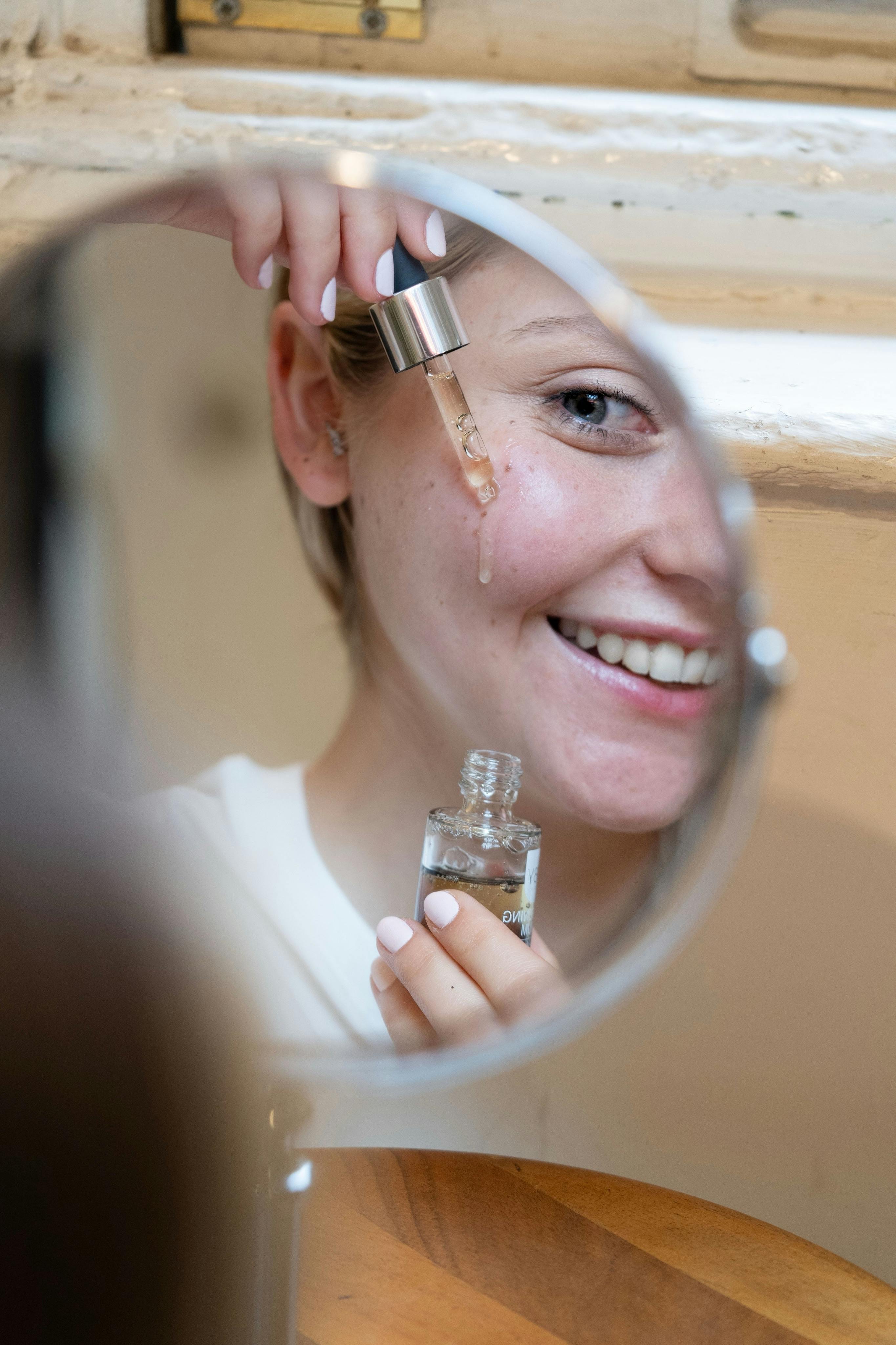
Centella asiatica appears in more Korean dermatology prescriptions and product formulations than any other botanical ingredient. It occupies this position not because of aesthetic appeal or trend cycles but because of an unusually robust clinical evidence base — one that spans wound healing research, barrier function studies, and anti-aging trials spanning multiple decades.
What centella asiatica is — and what it actually contains
Centella asiatica is a perennial herb native to the wetland regions of Asia, historically used in traditional Ayurvedic and Asian medicine for wound healing and inflammatory conditions. Its cosmetic efficacy is not attributable to the plant extract as a whole but to specific bioactive compounds — primarily two triterpenoid saponins — that can be isolated and standardised for clinical concentration.
Madecassoside
Ursane-type triterpenoid saponin
The primary anti-inflammatory and anti-aging compound. Clinical trials have demonstrated efficacy in wrinkle reduction, elasticity improvement, and UV-induced pigmentation suppression at concentrations as low as 0.05–0.1%. The active in La Roche-Posay's Cicaplast range.
Asiaticoside
Ursane-type triterpenoid saponin
The wound-healing compound. Stimulates collagen synthesis in fibroblasts and has demonstrated continuous improvement in eye area wrinkle depth and roughness over 12 weeks — distinguishing it from placebo by showing sustained rather than plateauing effects.
The practical implication of this distinction: a product listing "centella asiatica extract" in its INCI without specifying madecassoside or asiaticoside concentration may contain negligible amounts of the active compounds. The extract label is not itself a guarantee of clinical efficacy. Look for the specific compound names in the ingredient list.
The clinical evidence — study by study
25 participants, 2 weeks, twice-daily application. Skin barrier was deliberately compromised using methone; trans-epidermal water loss (TEWL) measured as recovery indicator. 5% centella asiatica restored TEWL to baseline levels within 20 minutes of application. The 2.5% concentration produced a positive response but with lower magnitude. Erythema (redness) reduction was also observed, with the 5% concentration outperforming 2.5%.
→ Clinical conclusion: 5%+ concentration required for meaningful barrier repair; 2.5% provides partial benefit
20 participants, twice-daily application over 6 months. Both deep and superficial wrinkles showed statistically significant improvement. Skin elasticity, smoothness, and hydration also improved measurably. Notably, 0.1% madecassoside — a low concentration — produced meaningful anti-aging results when used consistently over 6 months, suggesting that the compound's efficacy is time-dependent rather than concentration-dependent beyond a low threshold.
→ Clinical conclusion: Long-term use at moderate concentration produces meaningful anti-aging outcomes
27 participants vs placebo control, 3 months. Periocular (eye area) wrinkle depth and roughness assessed at weeks 4, 8, and 12. The asiaticoside group showed continuous progressive improvement across all three timepoints. The placebo group showed initial improvement (likely from moisturisation alone) followed by plateau and slight reversal. The divergence became statistically significant by week 8.
→ Clinical conclusion: Sustained improvement distinguishes asiaticoside from moisturisation alone; 12-week commitment required
23 participants, UV-induced pigmentation model. The madecassoside application site showed statistically significant pigmentation reduction compared to untreated control. Proposed mechanism: anti-inflammatory activity reduces post-inflammatory hyperpigmentation signalling — madecassoside appears to interrupt the inflammatory cascade that triggers melanin overproduction following UV exposure.
→ Clinical conclusion: Madecassoside addresses UV-induced pigmentation through anti-inflammatory rather than direct whitening mechanism
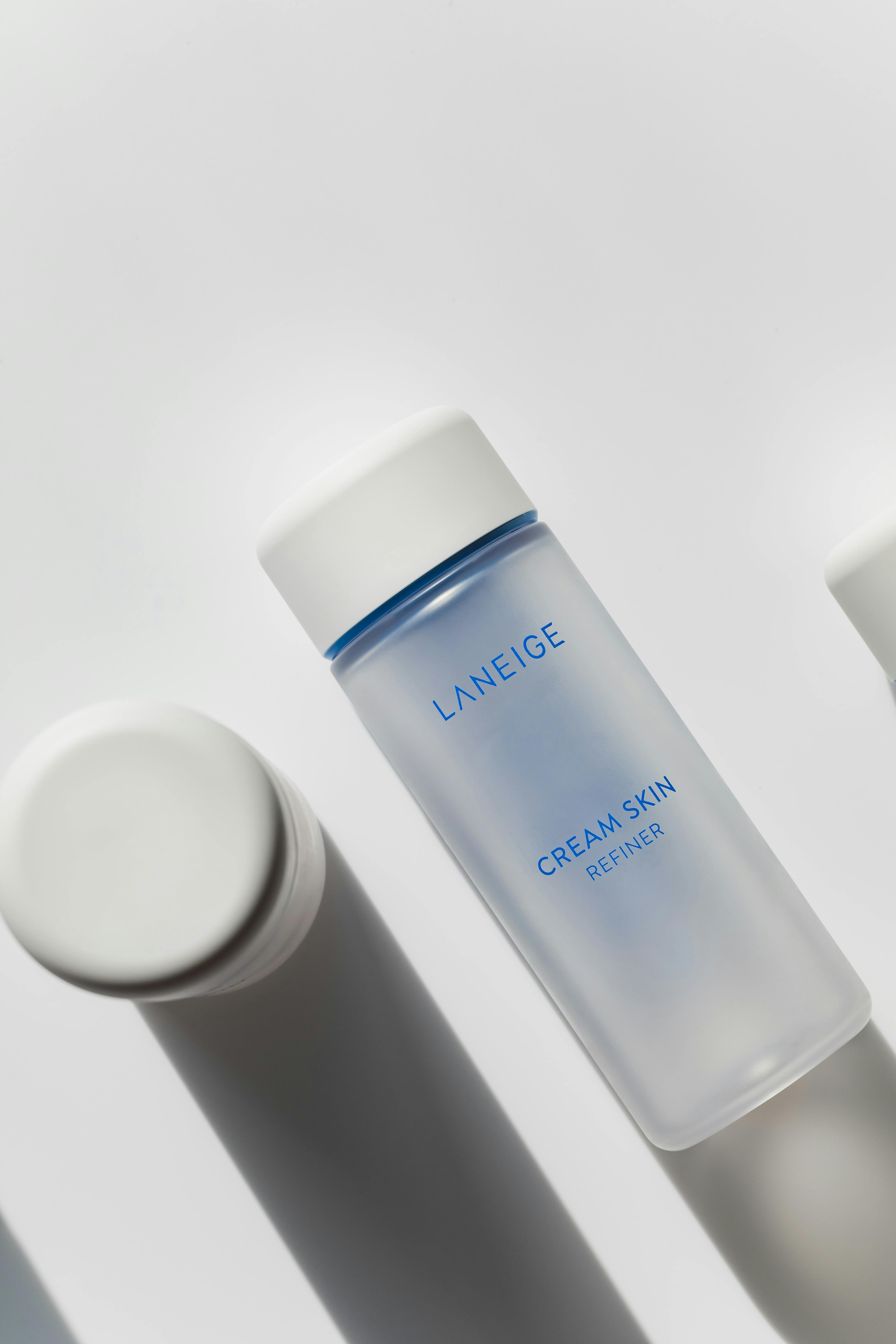
How to select a centella product that will actually perform
Product selection criteria
Four things to verify before purchasing
✓Look for "madecassoside" or "asiaticoside" explicitly in the INCI list — not just "centella asiatica extract"
✓For a centella extract product to be clinically meaningful, it should appear in the first three INCI positions — indicating 2.5–5%+ concentration
✓"Madecassic acid" and "asiatic acid" (the acid forms) have less clinical evidence than the glycoside forms — prioritise madecassoside and asiaticoside
✓Water-based centella products (serums, essences, toners) should be applied in the early routine; cream formulations in the mid-to-late layers

The research consistently positions centella asiatica compounds as among the most versatile ingredients in dermatology — active across wound healing, barrier repair, anti-aging, redness reduction, and UV-induced pigmentation suppression. This breadth of application is why it appears across such a wide range of Korean dermatology formulations, from post-procedure balms to daily serums to anti-aging creams. For sensitive, reactive, rosacea-prone, or barrier-compromised skin in particular, a correctly formulated centella product represents one of the highest-evidence interventions available without prescription.