7 Reasons K-Beauty Will Unlock Your Skin's Full Potential
Korean skincare is frequently reduced to a trend — glass skin aesthetics, elaborate multi-step rituals, viral product launches. The clinical reality is more substantive than that. Korean dermatology operates from a fundamentally different framework than Western skincare, one built on barrier science, ingredient concentration, and systematic prevention. What follows is the evidence-based case for why that framework consistently produces better outcomes.
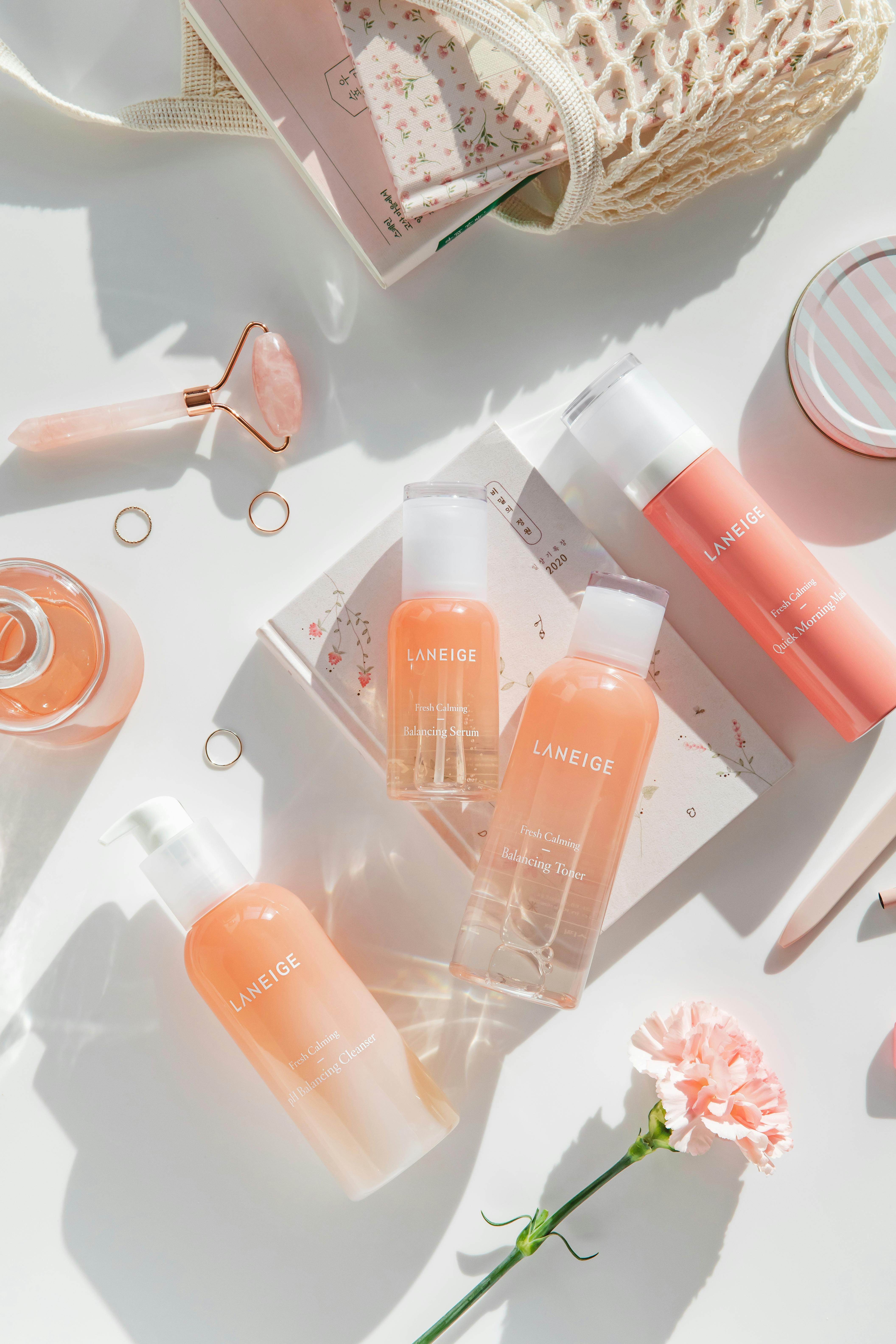
Walk into a US drugstore and a decent moisturizer runs $28–$45. It'll have a short ingredient list, heavy marketing claims on the front, and a long list of fillers on the back. Spend the same $28 on a Korean brand and you're likely getting a product with a higher concentration of active ingredients — niacinamide at 5–10% rather than the 2% most Western brands use, or hyaluronic acid in five molecular weights instead of one.
The reason is structural. Korean beauty brands compete primarily on formula — not packaging, not celebrity endorsements, not shelf placement. The Korean skincare market is extraordinarily crowded, which means brands that don't deliver visible results simply don't survive. That competitive pressure gets passed directly to the consumer in the form of better formulations at lower prices.
A Torriden Dive-In Serum at $19 uses 5 different molecular weights of hyaluronic acid to hydrate at every skin depth simultaneously. Most Western serums at twice the price use a single molecular weight that only sits on the surface.
This isn't about cutting corners on quality — it's about a market where formula is the only real differentiator. In Korea, consumers read ingredient lists. Brands know this, and they formulate accordingly.
Korea has one of the highest skincare spend per capita in the world — and one of the most educated consumer bases. Korean shoppers don't just read reviews; they read ingredient lists, cross-reference formulations, and debate actives on platforms like Hwahae (Korea's equivalent of a skincare-specific Reddit with millions of verified purchase reviews).
The result is a market where brands are held to an unusually high standard. A product that doesn't deliver visible results within weeks gets demolished in reviews and disappears from shelves. There's no room for aspirational branding to carry a mediocre formula — the formula has to work.
The Medicube Zero Pore Pad 2.0 has been endorsed by dermatologists and maintained bestseller status on Olive Young — Korea's largest beauty retailer — not because of marketing spend, but because 180 million purchase reviews confirm it works. That's market proof you simply can't manufacture.
When a product reaches the top of Olive Young's bestseller list, it's been vetted by millions of Korean consumers who had no shortage of alternatives. That's a quality filter unlike anything available in Western markets.
Western skincare tends to be reactive. Your skin breaks out, you apply spot treatment. Your skin gets dry, you slather on moisturizer. Korean dermatology asks a different first question: why is this happening? In most cases, the answer is a compromised skin barrier — and building barrier health first is the foundational principle of the entire K-beauty framework.
This is why Korean routines always start with a gentle, pH-balanced cleanser rather than a foaming wash that strips the skin's acid mantle. It's why the first step after cleansing is often a hydrating essence rather than an active treatment. You build the foundation, then you address the concern.
Most American acne treatments attack bacteria and dry out the skin simultaneously — which often triggers more oil production and perpetuates the cycle. Korean dermatologists address acne by repairing the barrier first, then introducing targeted actives like heartleaf and centella. The breakout cycle stops at the root.
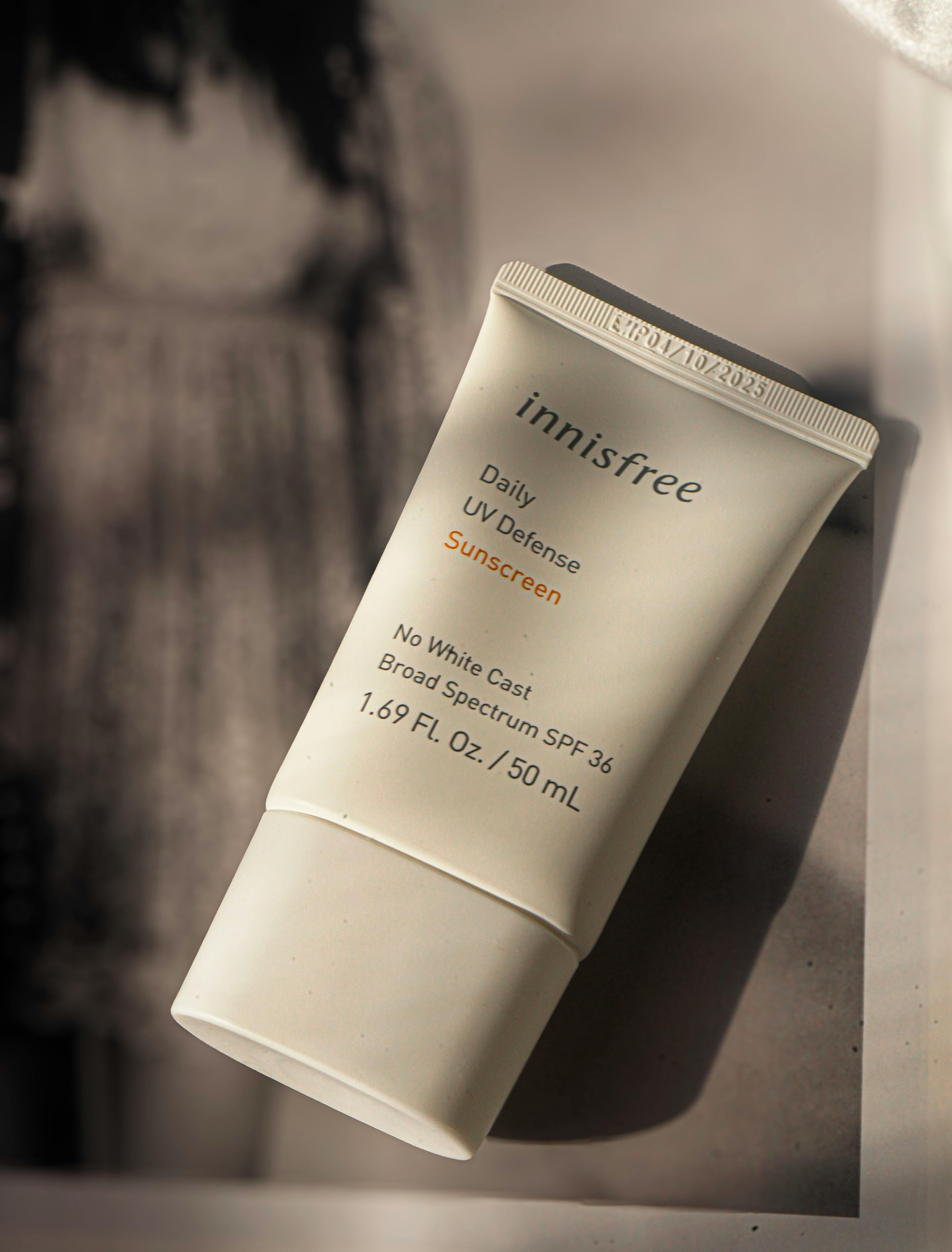
This one surprises people most. The US FDA hasn't approved a new sunscreen filter since 1999 — a regulatory logjam that means American sunscreens are still using the same heavy, white-casting formulas from the 1990s. Korea, Japan, and Europe have been developing and approving newer UV filter technologies for decades.
Newer filters like Tinosorb S and Uvinul A Plus provide superior UV-A protection with a fraction of the weight. The result is sunscreens that apply like water, leave no white cast, and feel like nothing on your skin — which means people actually wear them every day. And daily SPF is the single most evidence-backed anti-aging and pigmentation prevention step in existence.
The Round Lab Birch Juice Sunscreen — the #1 bestselling SPF in Korea — uses lightweight filters unavailable in US drugstore formulas. It's the reason Korean women actually wear sunscreen daily, while most Americans skip it because Western SPF feels too heavy.
A major US beauty brand takes 18–24 months to bring a new product to market. Korean indie brands routinely do it in 4–6 months. This speed creates a skincare ecosystem where ingredients that were only available as clinical injectables — like PDRN (polynucleotide from salmon DNA) — make it into daily-use moisturizers within years of the clinical research, not decades.
PDRN is a perfect example. Korean dermatology clinics have used it as an injectable for skin regeneration and wound healing for years. By 2024, brands like Medicube had formulated it into an over-the-counter moisturizer at a price accessible to anyone. American consumers are only now starting to hear about it.
By the time an ingredient trends on Western TikTok, Korean brands have usually been formulating with it for 2–3 years and have already worked out the optimal concentration, pH, and delivery system. Early access to Korean skincare is early access to the future of mainstream beauty.
Korea's consumer base spans a wide range of skin tones and concerns, and Korean dermatology has long been attuned to the specific needs of Asian skin — including hyperpigmentation, post-inflammatory discoloration, and the way certain actives interact differently with varying melanin levels. These are concerns that Western skincare has historically underserved.
Ingredients like niacinamide, centella asiatica, and green tangerine vitamin C — K-beauty staples — are among the most effective brightening actives for deeper skin tones without the irritation risk of traditional L-ascorbic acid or high-strength retinoids. Korean formulations are also typically gentler overall, which makes them particularly effective for sensitive skin, menopausal skin, and reactive skin that can't tolerate aggressive Western actives.
The Goodal Green Tangerine Vitamin C Serum delivers brightening benefits for dark spots using a form of vitamin C that's 10x more stable and significantly less irritating than the L-ascorbic acid used in most Western vitamin C serums. That difference matters enormously for skin that has historically reacted poorly to conventional brightening treatments.
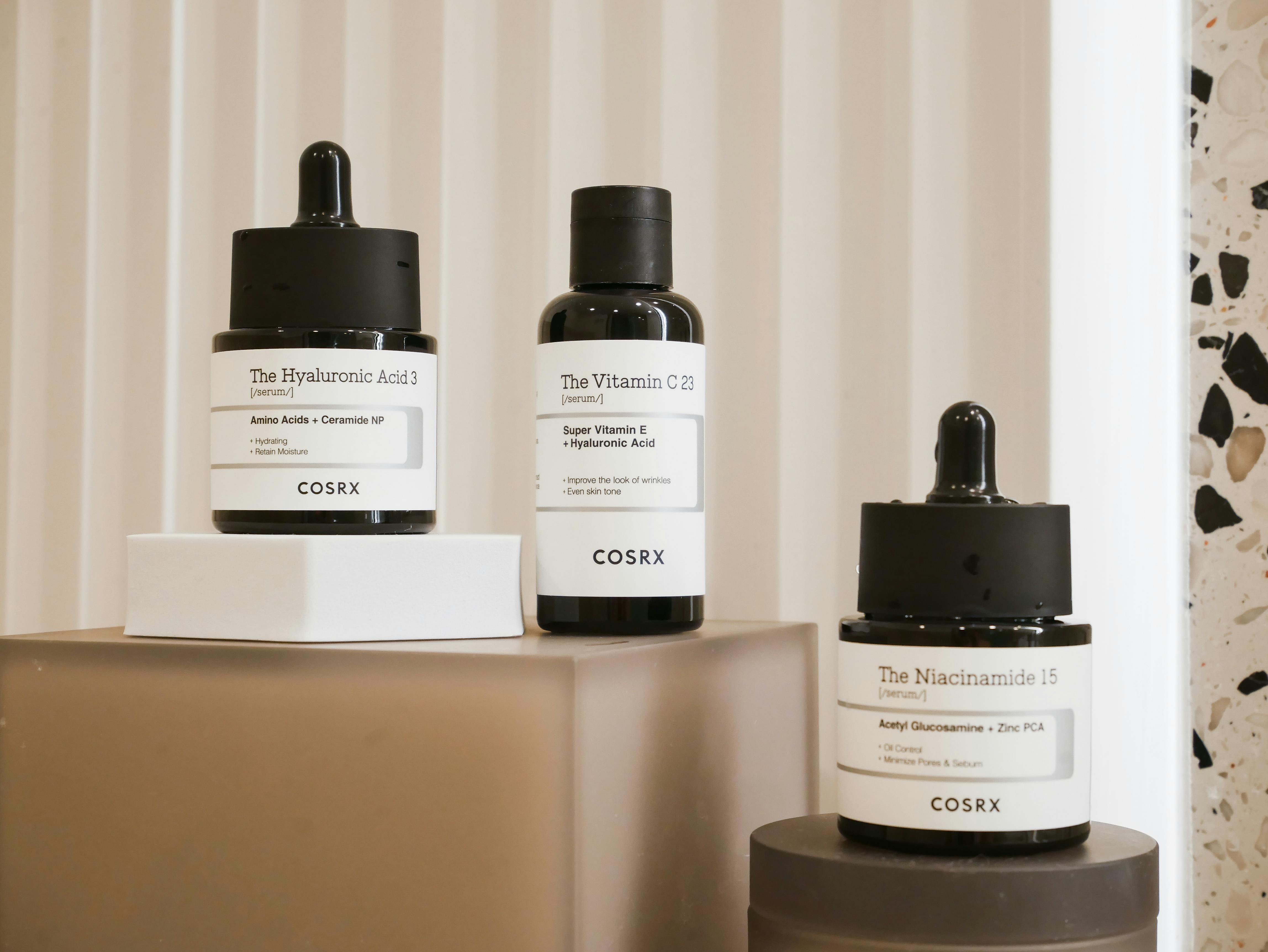
This is the insight that most K-beauty content misses. The best skin routines aren't all-Korean or all-American — they're built from whatever combination of evidence-backed products works best together. And it turns out Korean skincare and certain Western dermatologist-approved brands are exceptionally complementary.
La Roche-Posay Cicaplast Balm B5 — one of the most recommended post-procedure products by dermatologists globally — is routinely used in Korean dermatology clinics alongside Korean cica and centella treatments. The Torriden Dive-In Serum's multi-weight hyaluronic acid makes every subsequent product, Korean or otherwise, absorb more effectively. Korean SPF applied over a Western vitamin C serum creates a photoprotective combination stronger than either product alone.
GlazeSeoul exists precisely because this is how the best skin actually gets built — not by choosing between Seoul and your dermatologist, but by understanding how to combine both. Every routine we recommend is built on this principle: Korean dermatology science, paired with the Western brands that clinical evidence says belong alongside it.
The result isn't a 10-step routine or a complete overhaul of what you own. It's a smarter, more targeted approach to what you put on your skin — and the difference shows.
Ready to find your routine?
Take the free GlazeSeoul skin quiz and get a personalized routine built on Korean dermatology science — paired with the US brands that work best alongside it.
Take the free quiz →90 seconds · No signup required · Personalized to your skin