Five Application Errors That Compromise Serum Efficacy — And Their Corrections
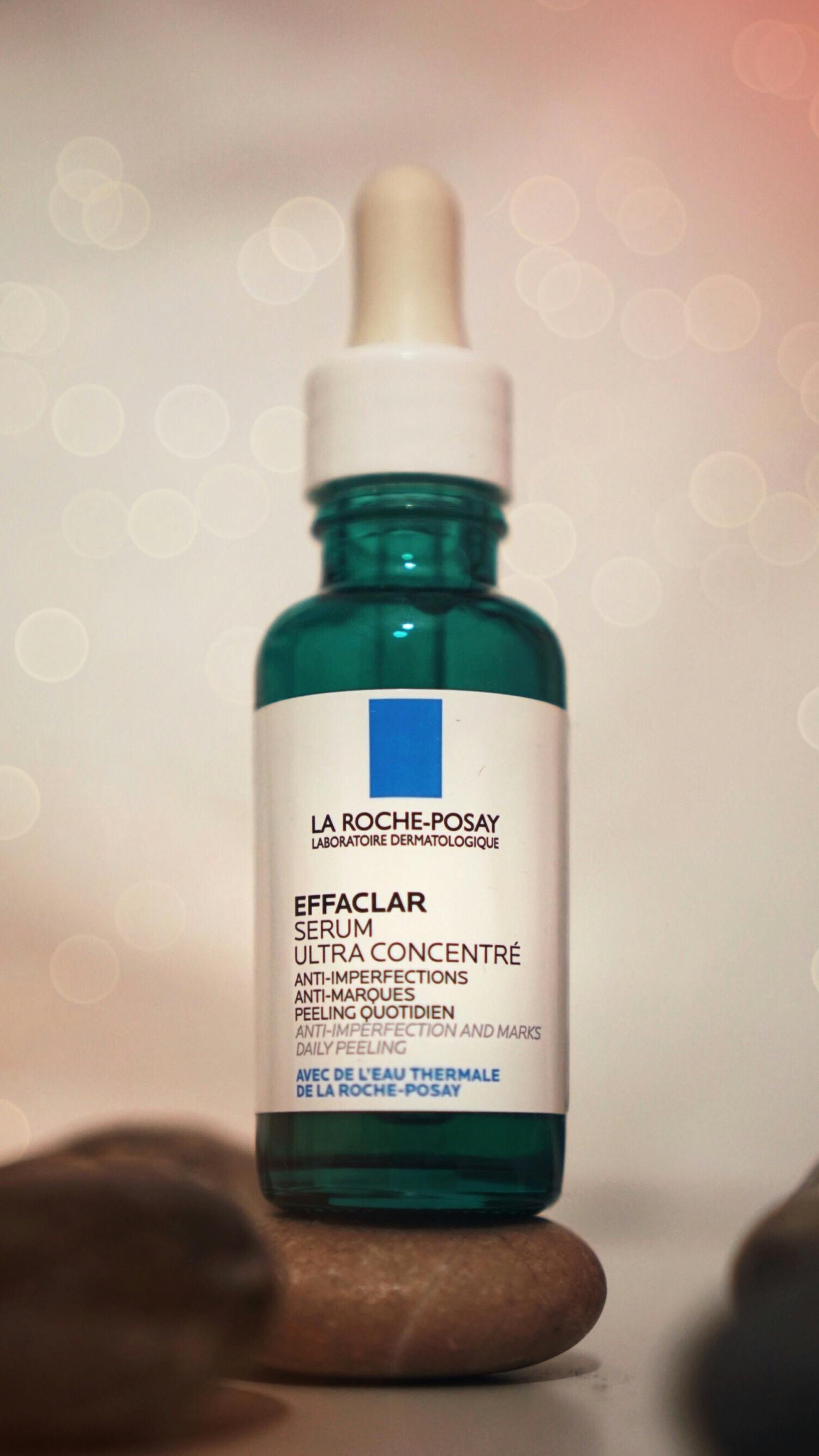
Serum efficacy is largely determined not by formulation alone, but by application protocol. A well-formulated active serum applied incorrectly delivers a fraction of its clinical potential — often to the point where the product cannot demonstrate any meaningful effect. Korean dermatologists identify five consistent application errors that compromise even the highest-quality serums. What follows is each mistake and its correction.
Insufficient application means active ingredient concentration at the skin surface falls below the threshold required for clinical effect — the product cannot deliver what its formula promises. Excessive application exceeds the skin's absorption capacity; the surplus remains on the surface, attracts environmental particulates, and may contribute to congestion.
The clinically recommended quantity is three drops for standard facial coverage — distributed individually to the forehead and each cheek before pressing in. Larger face sizes may require up to five drops. Exceeding this does not improve outcomes.
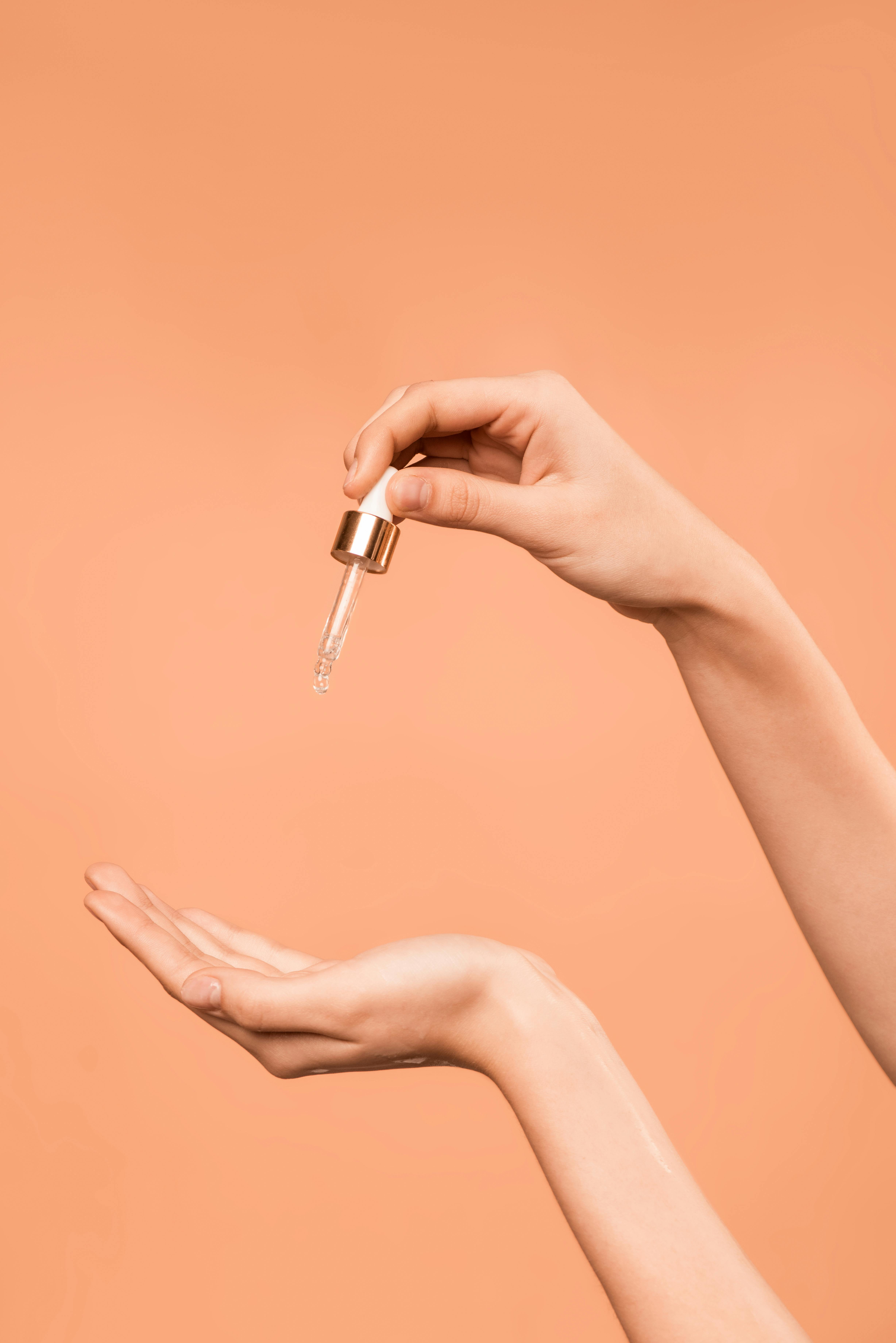
The most common application method — dispensing serum into the palm, rubbing both hands together, then applying — results in approximately 80% absorption into the palms before the product reaches the face. The facial skin receives a substantially reduced concentration of active ingredients.
The correct method is to dispense drops directly onto the face, then use fingertip pressure — pressing rather than rubbing — to work the serum into the skin. Fingertip warmth supports absorption; pressing rather than dragging preserves skin barrier integrity.
Applying serum after moisturizer renders the active ingredients clinically inert. The occlusive lipid film created by cream or moisturizer physically prevents serum penetration — the product evaporates from the surface without delivering its actives to the skin.
The correct sequence follows molecular weight and viscosity: toner first, then serum or ampoule, then moisturizer, then SPF. The moisturizer's clinical function is precisely to create an occlusive layer that prevents active ingredient evaporation — it is the seal, not the foundation. Serum must always precede moisturizer.
Applying the subsequent step before serum has fully penetrated causes formulation mixing at the surface, reducing the effective concentration of both products and compromising the absorption of each.
A 20–30 second interval is the standard recommendation. In high-humidity conditions, absorption slows and a longer wait is appropriate. In dry environments, absorption accelerates. A simple tactile test: light contact with the back of the hand against the applied area — no residual tackiness indicates the serum has fully penetrated.
Skin condition fluctuates daily in response to environment, hormones, stress, and sleep quality. Applying a fixed serum regimen regardless of current skin state treats an assumption rather than a condition. Vitamin C applied to a compromised barrier can intensify inflammation. A rich humectant serum used in high-humidity conditions may cause congestion in sebum-prone skin.
Korean dermatologists advocate for condition-responsive application: assess skin state each morning and select the appropriate active. Dehydration or tightness indicates hyaluronic acid or ceramide-based formulas. Dullness or emerging pigmentation calls for vitamin C or niacinamide. Active inflammation or barrier compromise requires calming actives only — centella asiatica, panthenol, or madecassoside — with brightening and exfoliating actives suspended until the skin has stabilised.
These corrections require no new products. They require only that existing products be used in accordance with the conditions under which their efficacy was clinically established. Applied correctly, the serum already in your routine will perform materially closer to its formulated potential.
Not sure which serum is right for your skin?
Take the free GlazeSeoul quiz — get a personalized routine built around your specific skin type, concerns, and budget. Korean dermatology, matched to you.
Take the free quiz →90 seconds · Free · No signup required