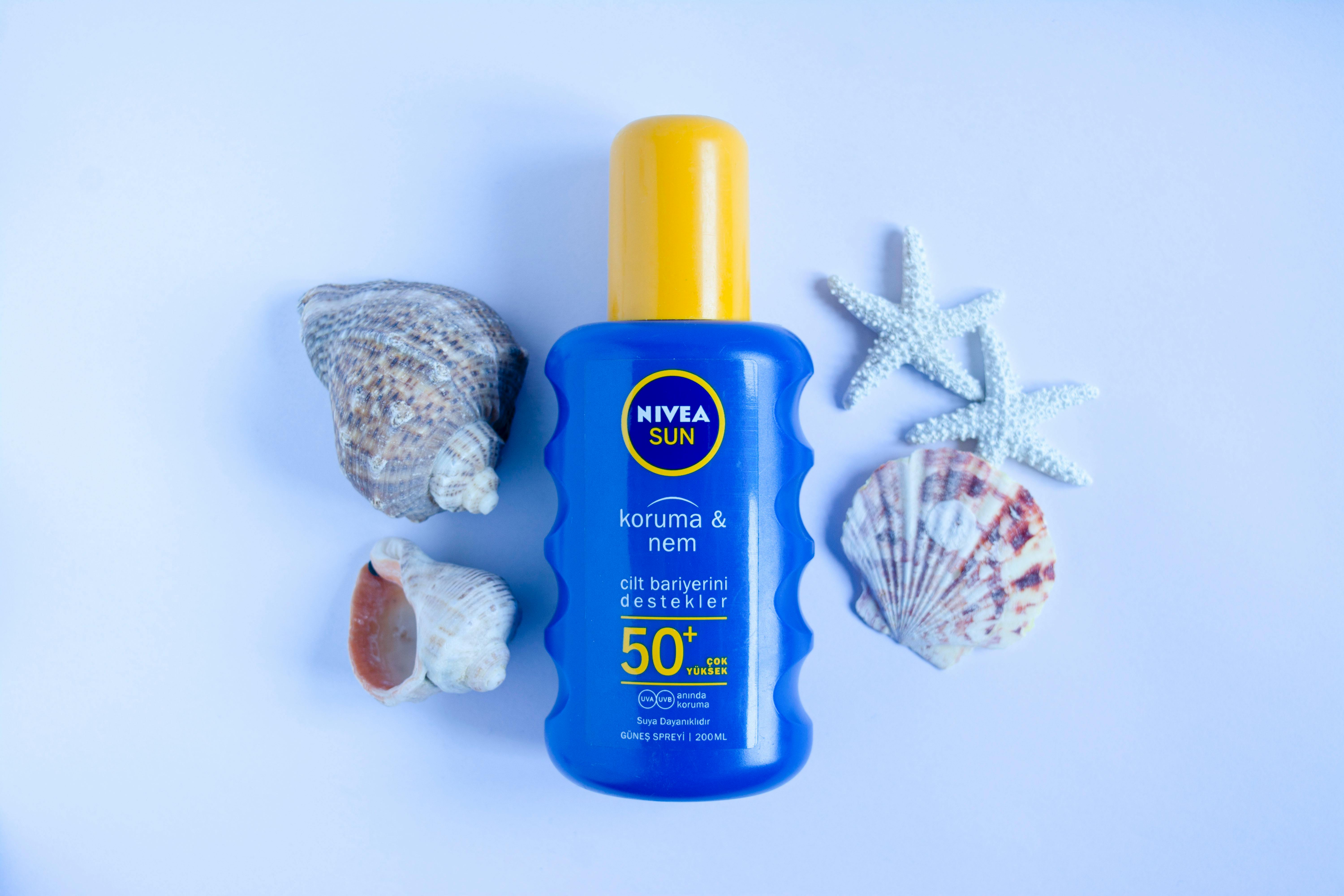
The two numbers that matter
UV radiation reaches the skin in two distinct wavelength ranges, each with different penetration depth and biological consequences. Understanding the distinction is the foundation of any effective sun protection protocol.
UVA penetrates window glass. UVB does not. This is clinically significant: individuals who spend extended time near windows — at a desk, commuting, or at home — are receiving continuous UVA exposure that their sunscreen's SPF number provides no protection against, unless the formula also carries a PA rating.
The combination of SPF 50+ and PA++++ represents the strongest broad-spectrum protection currently available in a consumer product. Both numbers at their maximum, applied correctly, is the clinical standard Korean dermatologists work from. Anything less is a deliberate compromise.
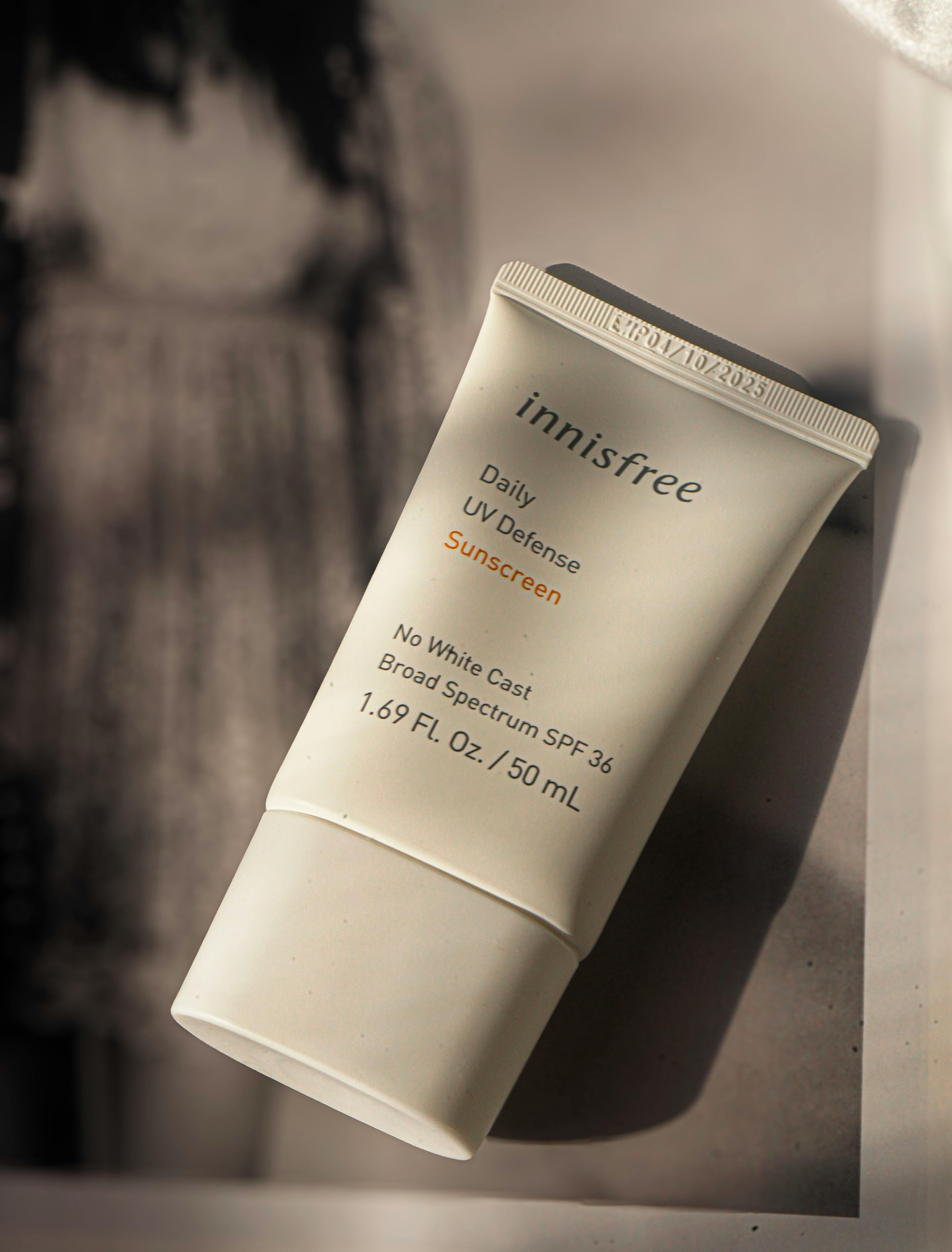
Why higher SPF is always preferable
A persistent misconception in Western skincare media holds that SPF above 30 or 50 provides no meaningful additional benefit — and that very high SPF formulas are more likely to cause congestion or sensitivity. Both claims require correction.
The first claim misunderstands the role of application quantity. SPF is rated under controlled laboratory conditions at a standard application quantity — approximately 2mg per cm² of skin surface. In practice, most individuals apply considerably less. The relationship between quantity and efficacy is non-linear: SPF 50 applied at half the standard quantity delivers approximately SPF 12–13 in real-world conditions. SPF 30 at half quantity falls to approximately SPF 7–8.
Given that most people under-apply, selecting the highest available SPF provides a meaningful buffer. This is not marketing logic — it is a direct consequence of the mathematics of UV filter concentration and application quantity.
The second claim — that high SPF causes breakouts — conflates the SPF number with formula type. Breakouts from sunscreen are caused by mineral filter concentration clogging follicles, not by SPF number. A chemical-filter formula with SPF 50+ is no more comedogenic than one with SPF 30. The relevant variable is formulation type, not protection level.
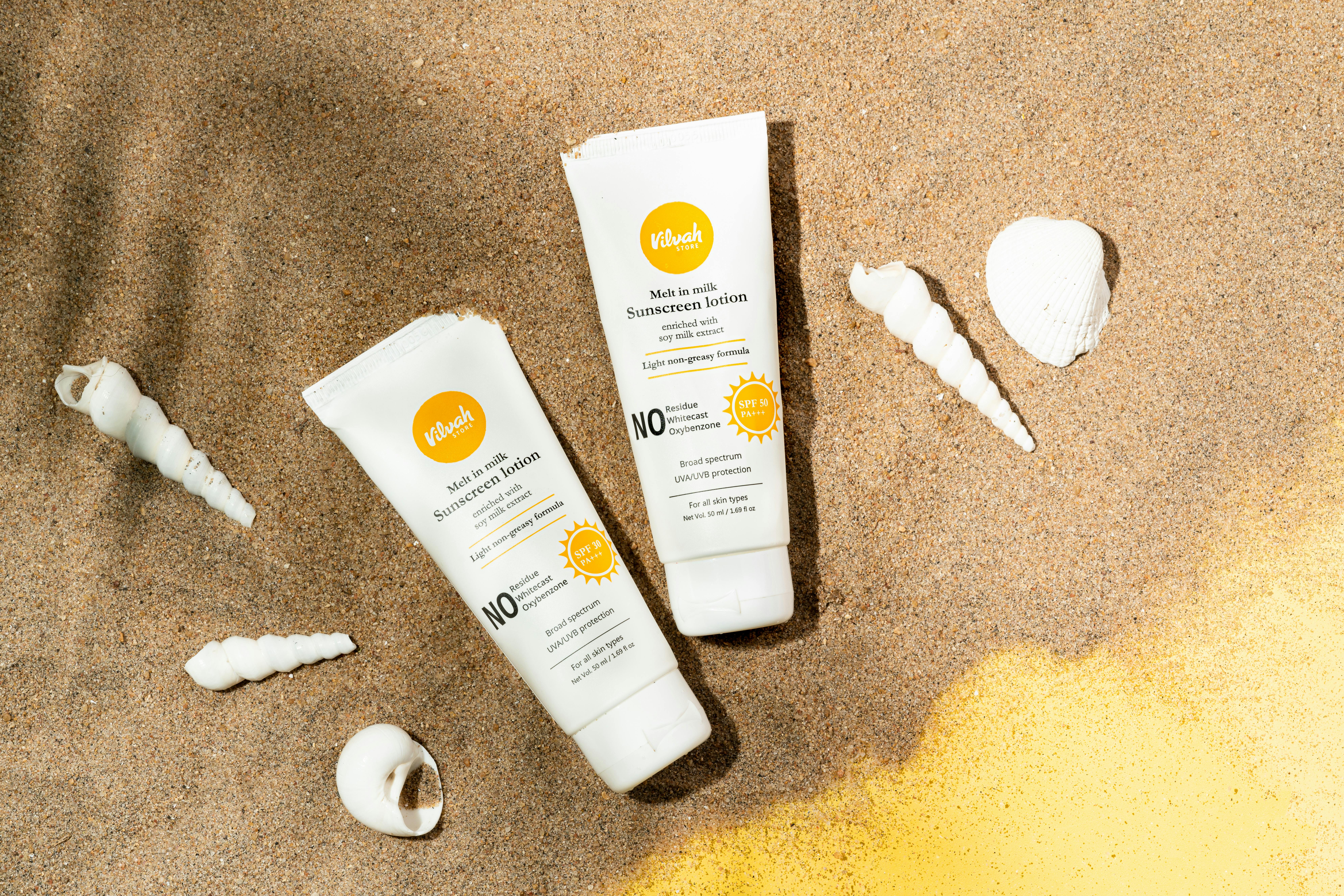
Mineral versus chemical filters — selecting by skin type
Sunscreen formulas fall into two mechanistic categories, each with distinct properties relevant to different skin types. Understanding the distinction removes the guesswork from product selection.
Most commercially available sunscreens are hybrid formulas — combining mineral and chemical filters to balance coverage, texture, and tolerability. The precise ratio is rarely disclosed on packaging. For skin types at the extremes of the sensitivity or congestion spectrum, single-filter formulas are preferable when available.
Consistency is the only variable that matters long-term
Dermatological evidence consistently identifies daily sunscreen use as the single most impactful intervention available for preventing photoageing, hyperpigmentation, and UV-induced structural skin damage. The caveat — and it is significant — is that the evidence is for consistent use, not occasional or situational use.
The practical implication: the best sunscreen is the one with the highest SPF and PA rating that a given individual will apply every day without reluctance. Texture, finish, and scent are not superficial considerations — they are adherence variables. A technically superior formula that goes unused provides no protection. Korean dermatologists often maintain the same sunscreen formulation for a decade or more, precisely because the compounding benefit of consistent use outweighs the marginal gains of switching between products.