SPF Application Failures: Five Protocol Errors That Undermine Sun Protection and Skin Barrier Integrity
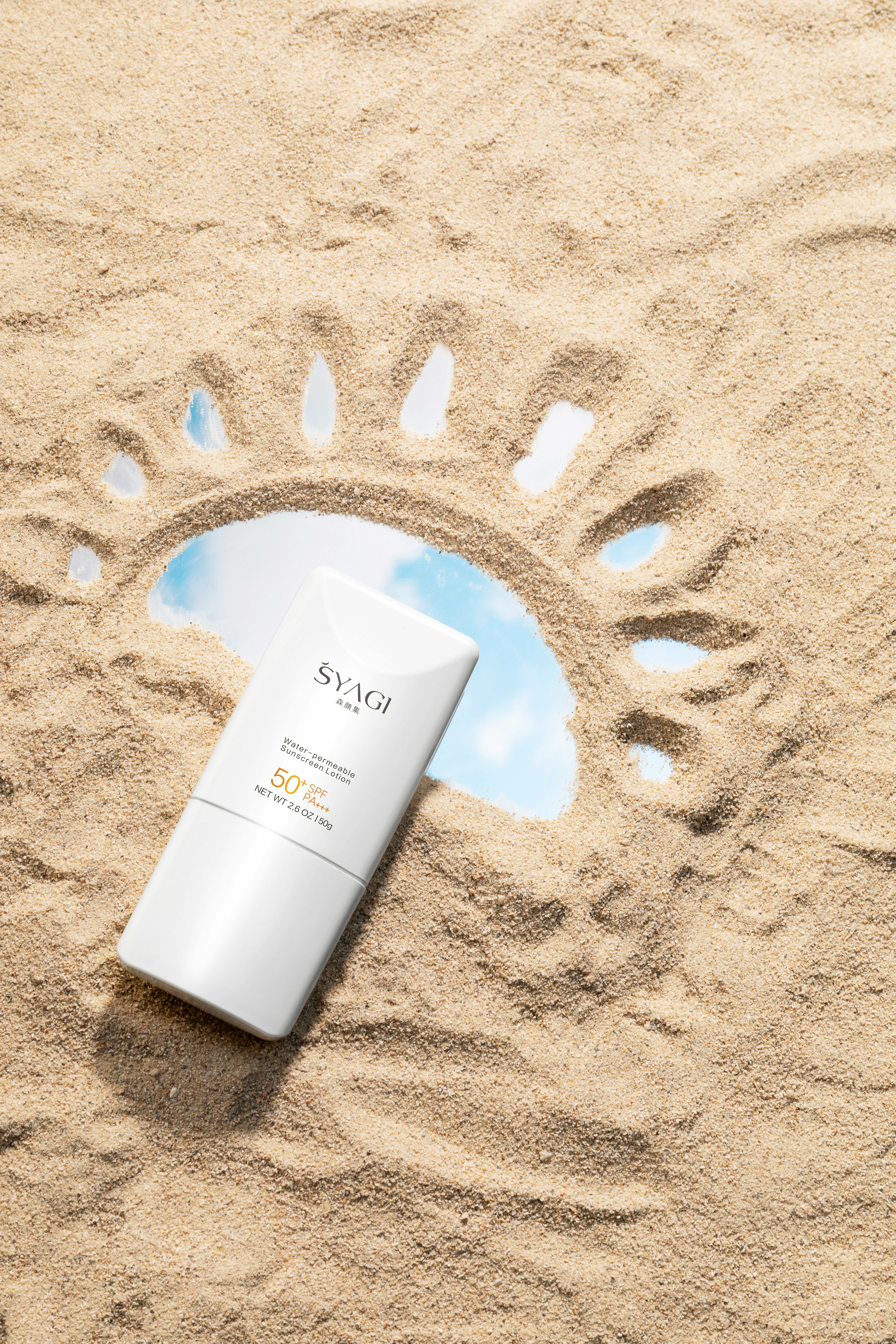
Most sunscreen failures are not formulation failures. They are application failures. Incorrect technique does not simply reduce protection — it creates a false sense of protection while UV penetration continues unimpeded. Understanding why requires understanding what SPF numbers actually measure and what they assume about application.
SPF ratings are calculated under controlled laboratory conditions using a standardised application quantity. Deviation from that quantity produces non-linear protection reduction. SPF 50 applied at half the recommended quantity does not deliver SPF 25 — the actual protection falls to approximately SPF 12–15. The relationship between quantity and efficacy is exponential, not proportional.
Standard dermatological guidance specifies a coin-sized quantity — approximately 1/4 teaspoon — for full facial coverage. Clinical observation suggests most individuals apply closer to one-third of that amount. An immediate, slight luminosity after application is a reliable indicator of adequate quantity.
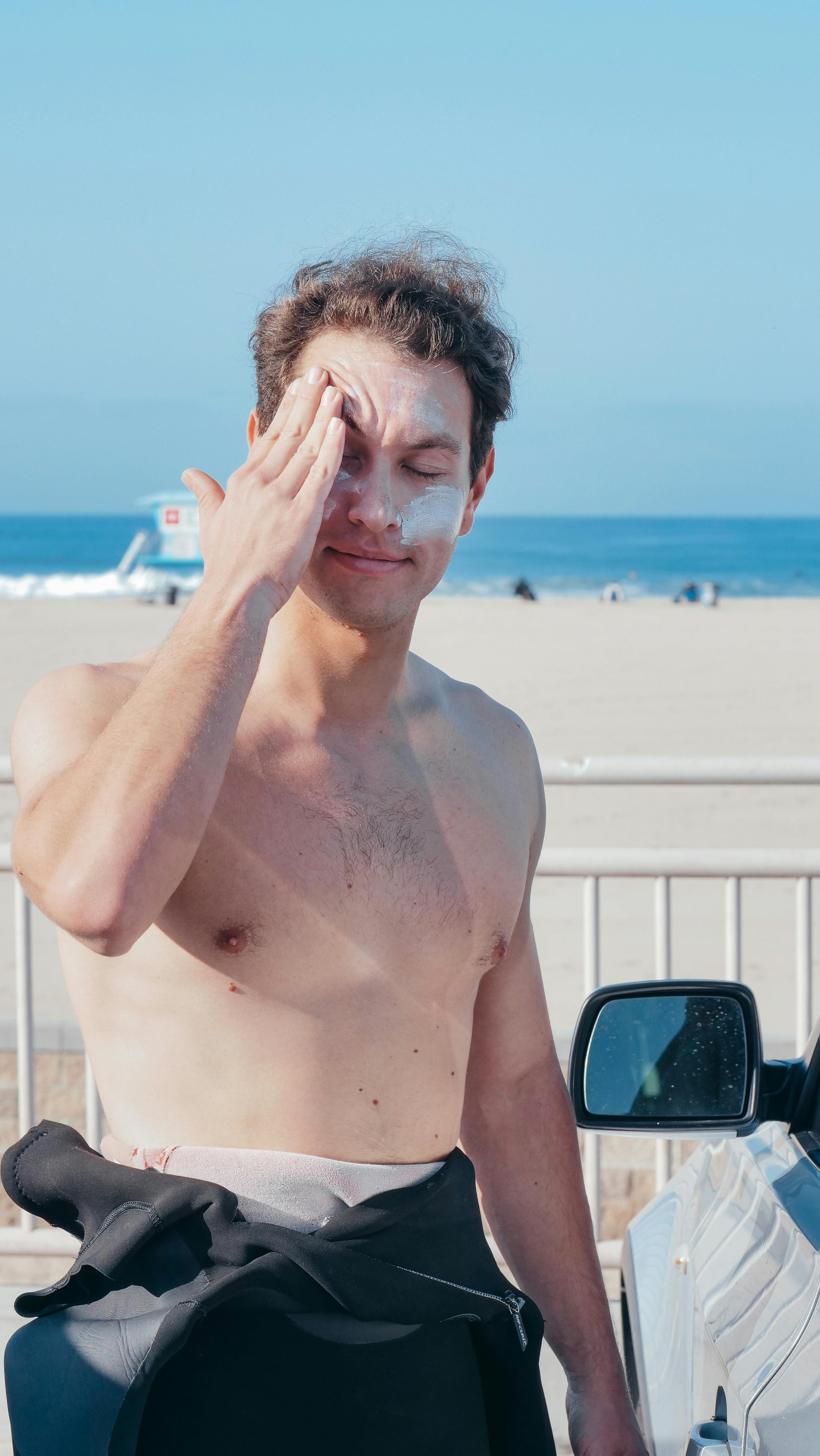
Rubbing or spreading sunscreen in strokes creates uneven distribution — a pattern of over-coverage in some areas and near-absence in others. The areas receiving insufficient coverage are exactly those where UV penetration produces the most visible cumulative damage: perinasal, along the jawline, and at the hairline.
The correct technique is sectional patting — applying the product to distinct facial zones and pressing it evenly into each before moving to the next. This produces consistent film thickness across the full application area.
UV filter molecules — both organic and inorganic — require direct contact with the skin surface to form a continuous protective film. Applied over unabsorbed skincare, the sunscreen cannot bond properly, resulting in pilling, uneven distribution, and compromised filter performance.
A 5–10 minute interval after the final skincare step allows complete absorption before sunscreen application. Pilling or patchy coverage in a previously reliable product is almost always attributable to insufficient wait time rather than product incompatibility.
Sunscreen efficacy is time-limited by multiple degradation pathways: sebum production, perspiration, physical contact, and photo-degradation — the breakdown of filter molecules by UV exposure itself. By the four to five hour mark, even a correctly applied SPF 50 provides substantially reduced protection. End-of-day coverage without reapplication is clinically negligible.
Reapplication every four to five hours is the standard recommendation for indoor or low-activity conditions. Outdoor exposure or perspiration requires reapplication every two to three hours. Over makeup, a sun stick or cushion SPF applied with gentle pressing — not swiping — maintains coverage without disrupting the base.
Consistent UV exposure without protection produces cumulative, site-specific damage. Dermatologists observe the most pronounced pigmentation and structural aging in precisely the areas most commonly missed during application: the ears and periauricular region, posterior neck, dorsal hands, periocular corners, hairline, and lateral nasal surfaces.
Each of these sites warrants deliberate attention: the ears and retroauricular area, the posterior neck when hair is elevated or short, the dorsal hands and forearms, the periocular corners where crow's feet initiate, the hairline where patchy pigmentation accumulates, and the lips — which require an SPF lip product, as UV exposure contributes to lip dryness, pigmentation, and long-term structural changes.
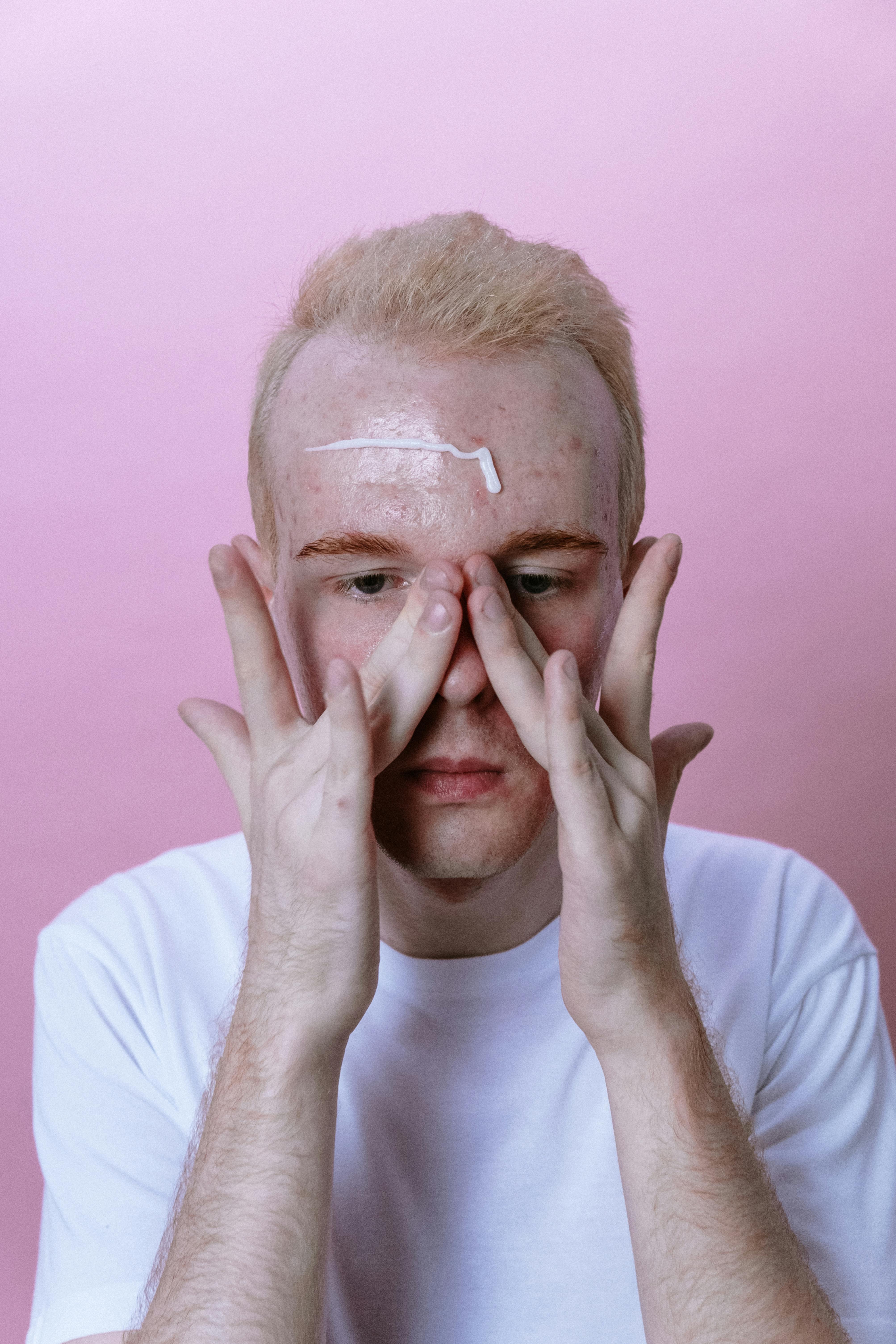
Correct SPF use is a complete protocol — application and removal. Sunscreen left on skin overnight contributes to follicular occlusion, traps oxidised sebum, and initiates a cycle of barrier disruption that the product was applied to prevent. The double cleanse method used in Korean dermatology is the clinically appropriate removal technique, not a skincare optional.
Total cleansing time: under 3 minutes. Thorough but not aggressive. The goal is clean skin, not stripped skin.
Korean dermatologists consistently identify correctly applied daily sunscreen as the highest-return dermatological investment available. No serum, active, or treatment protocol compounds over time the way consistent, correctly applied UV protection does. The operative word is correctly — which is what this article is for.
Find your perfect SPF match.
Not all sunscreens work for all skin types. Take the GlazeSeoul quiz and get a personalized SPF recommendation built for your skin, your climate, and your concerns.
Take the free quiz →90 seconds · Free · No signup required